Precision-based care for pain, performance, and recovery.
This is acupuncture through an orthopedic dry needling and sports medicine lens. Every treatment is built around anatomy, biomechanics, and tissue-specific assessment, designed to reduce pain, restore movement, and accelerate healing.
Whether you’re dealing with chronic tension, a sports injury, postural strain, or post-surgical recovery, your care is tailored to how your body actually moves and compensates.
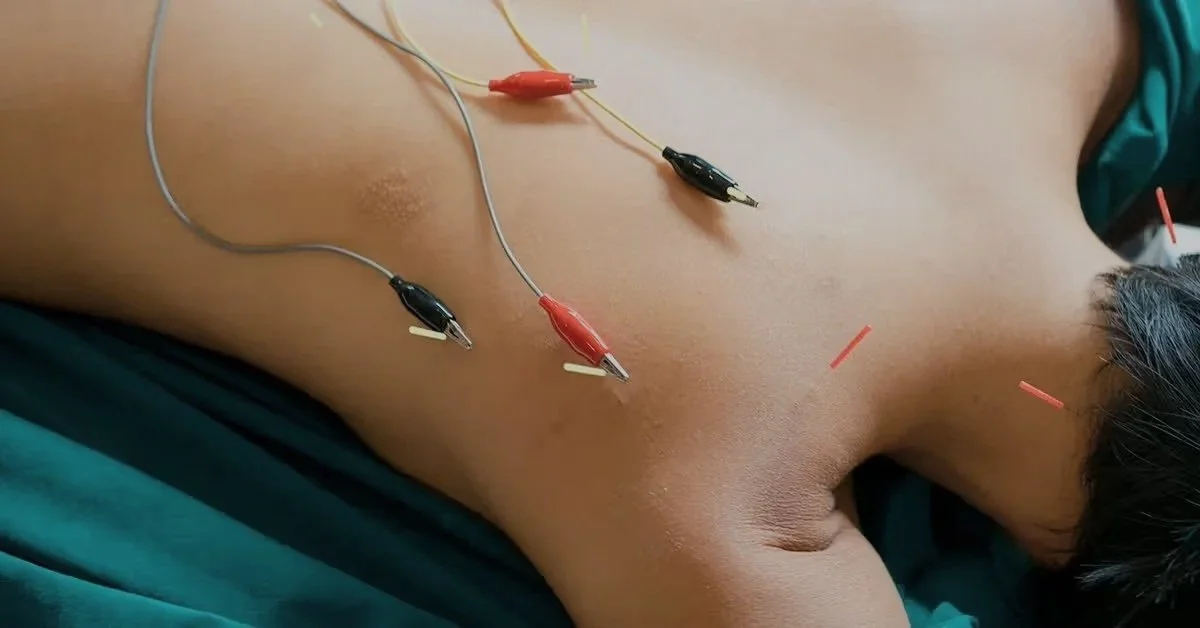
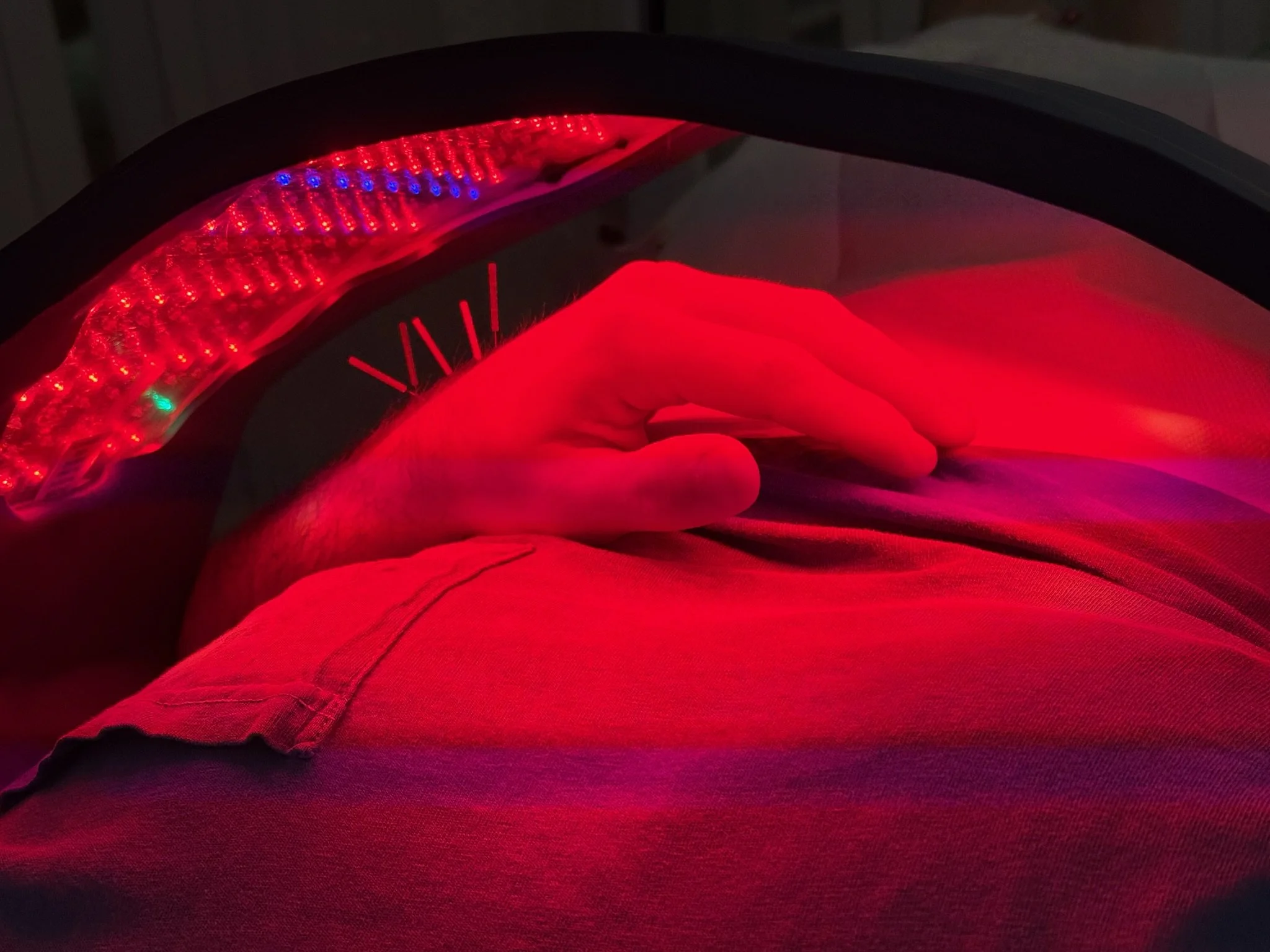
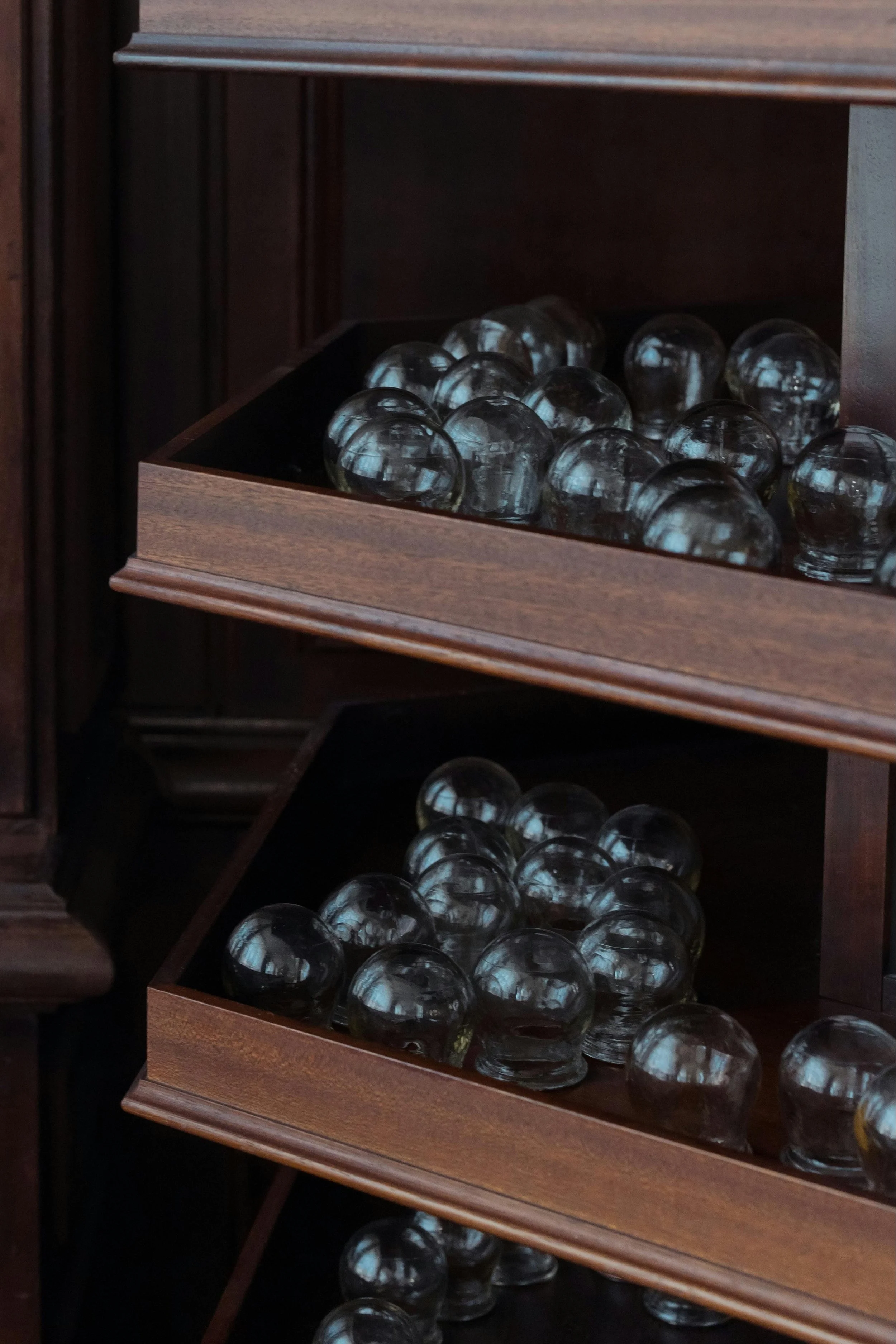
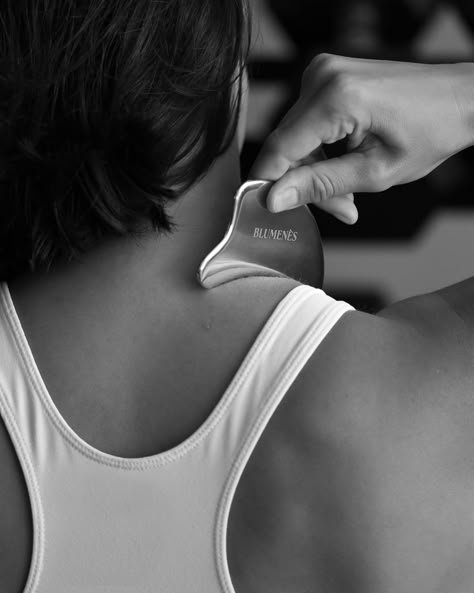
Each session integrates complementary modalities to enhance results and support tissue recovery. Treatments may include microcurrent electrical stimulation, infrared light therapy, evidence-based topical applications, and targeted manual therapies such as cupping or gua sha when clinically indicated. Every tool is selected with intention and based on your presentation, your goals, and how your tissues respond in real time.
Orthopedic Acupuncture in San Francisco
What Makes This Different
This is not just traditional acupuncture. It is a clinical, targeted approach rooted in:
Orthopedic assessment and movement-based diagnosis
Trigger point therapy and dry needling-style techniques
Myofascial and neuromuscular release
Sports medicine principles
Nervous system regulation
Modalities Used to Enhance Healing
-
![Person lying down with acupuncture needles on neck and cables with clips attached to acupuncture points.]()
Electro-acupuncture
-
![Close-up of a person's hand and lap under red LED light therapy device.]()
LED and Infrared Light Therapy
-
![Glass marbles stored in wooden trays on display shelves.]()
Cupping
-
![A person getting a shoulder massage or physical therapy with a cupping tool on their shoulder.]()
Gua Sha

Conditions We Commonly Treat
Neck, shoulder and back pain
Hip, knee and ankle injuries
Sports and overuse injuries
Tendonitis and repetitive strain
Postural tension
Headaches and jaw tension
Post-surgical recovery
Chronic muscle tightness
What Your First Visit Looks Like
A Thorough Consultation
Your first visit begins with an in-depth consultation focused on how your body moves, compensates, and holds tension. We assess your symptoms, injury history, activity level, posture, and movement patterns, along with targeted orthopedic testing of the affected area. This allows us to identify the root of pain and dysfunction, not just where it shows up.
Treatment
Following your consultation, you will receive a personalized orthopedic-style acupuncture treatment tailored to what your tissues need that day. This may include targeted needling, trigger point release, and supportive modalities designed to reduce pain, improve circulation, restore mobility, and support tissue repair. Each session is adaptive and evolves as your body responds.
Personalized Plan
You will leave with a clear, customized care plan outlining recommended treatment frequency, supportive therapies, and next steps. Treatment length varies based on your condition. Acute injuries and recent flare-ups often respond more quickly, while chronic pain patterns, postural strain, or long-standing injuries typically require a more gradual, layered approach over time.