
Electroacupuncture in San Francisco: How Electrical Stimulation Enhances Acupuncture Results
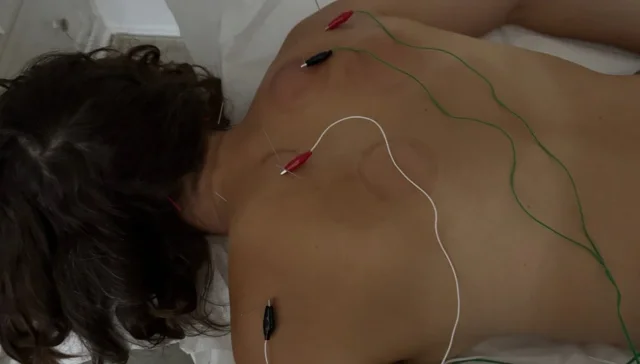
Open with electroacupuncture as one of the most evidence-backed modalities in modern acupuncture practice. Define it clearly: electroacupuncture uses the same needle placement as traditional acupuncture, but adds a small electrical current between pairs of needles to amplify therapeutic effects.
Mention its growing adoption in sports medicine, pain management, and neurological rehabilitation. Note that Akara Integrative in San Francisco's Mission District offers electroacupuncture as part of its orthopedic and internal medicine treatments.
How Electroacupuncture Works: The Science
Explain the mechanism: low-frequency electrical stimulation (2–4 Hz) triggers the release of endorphins and enkephalins for pain relief. Higher frequencies (80–100 Hz) activate dynorphin and serotonin pathways for anti-inflammatory effects. The electrical current also increases local blood flow, reduces muscle spasm, and can accelerate tissue repair.
Differentiate from TENS: while both use electrical stimulation, electroacupuncture delivers current through acupuncture needles placed at specific points, allowing deeper tissue penetration and more targeted effects than surface electrode pads.
Conditions Treated with Electroacupuncture
Cover the evidence-based applications: chronic low back pain (one of the most-studied conditions), knee osteoarthritis, sciatica and nerve pain, post-surgical recovery, sports injuries (tendinopathy, muscle strain), neuropathy, Bell's palsy and facial nerve conditions, chronic headaches, and pelvic pain.
Note that electroacupuncture is particularly effective for conditions where standard acupuncture provides partial relief but a stronger stimulus is needed to break pain cycles or restore nerve function.
Electroacupuncture for Athletic Recovery in San Francisco
Target the active SF population: runners, cyclists, climbers, and gym-goers at Equinox, Barry's, and BODYROK. Electroacupuncture accelerates recovery by reducing inflammation, relieving delayed-onset muscle soreness (DOMS), and restoring range of motion faster than manual acupuncture alone.
Describe how Akara's orthopedic approach uses electroacupuncture to treat the common SF injury pattern: desk-bound professionals who transition to intense workouts, creating overuse injuries in hips, knees, shoulders, and low back.
What to Expect During an Electroacupuncture Session
Walk through the experience: assessment, needle insertion at targeted points, attachment of electrode clips to needle pairs, gradual increase of current to a comfortable level, treatment duration (typically 20–30 minutes with stimulation). Most patients feel a gentle pulsing or tapping sensation.
Clarify: the current is very mild. It should never be painful. Your practitioner adjusts intensity based on your comfort and the treatment goal.
Electroacupuncture vs. Traditional Acupuncture: When Each Is Best
Provide a clear comparison: traditional acupuncture is ideal for stress, emotional balance, hormonal support, general wellness, and conditions that respond well to subtle regulation. Electroacupuncture is best for pain conditions, nerve injuries, stubborn musculoskeletal issues, and cases where a stronger therapeutic stimulus is needed.
Note that at Akara, practitioners often combine both within a single session: body acupuncture for systemic balance and electroacupuncture for targeted pain or injury treatment.
FAQ Section Electroacupuncture
-
No. Most patients feel a gentle pulsing or tapping at the needle sites. The current is adjusted to your comfort level and should never cause pain.
-
Electroacupuncture delivers current through acupuncture needles at specific points, reaching deeper tissues. TENS uses surface electrode pads and is less targeted.
-
For acute pain, 3–6 sessions often produce significant improvement. Chronic conditions may require 8–12 sessions. Your practitioner will recommend a plan based on your response.
-
Yes, when performed by a licensed acupuncturist. It is not recommended for patients with pacemakers or certain cardiac conditions. Your practitioner will screen for contraindications.
-
Electroacupuncture performed by a licensed acupuncturist is typically billed as acupuncture and covered under the same benefits. Contact Akara to verify your plan.